Clostridioides difficile (often abbreviated C. diff) is a bacterium that poses a serious challenge in hospitals and care facilities. What makes this gram positive bacteria especially dangerous is its ability to form spores – tiny, protective structures that can survive on surfaces for weeks or even months. These spores are highly resistant to both heat and many common disinfectants like e.g. alcohol, which makes them difficult to eliminate once they spread. This durability significantly increases the likelihood of indirect transmission, especially in high-contact healthcare settings.
How infection starts
C. diff infections often occur after a patient has taken antibiotics. While antibiotics are used to treat infections, they also disturb the natural balance of bacteria in the gut. Healthy gut bacteria usually keep C. diff. in check.
However, when taking antibiotics (or shortly after), the beneficial bacteria are wiped out, allowing C. diff to overgrow and release damaging toxins. This leads to symptoms such as diarrhoea, fever, nausea, belly cramping/pain and dehydration. Symptoms can be mild, but in more severe cases, the infection can become life-threatening.
Mortality rates can be significant, particularly among elderly patients and those with weakened immune systems. Global analyses indicate mortality rates of up to 16% in some patient populations, underscoring the seriousness of the disease¹.
How C. diff spreads in healthcare settings
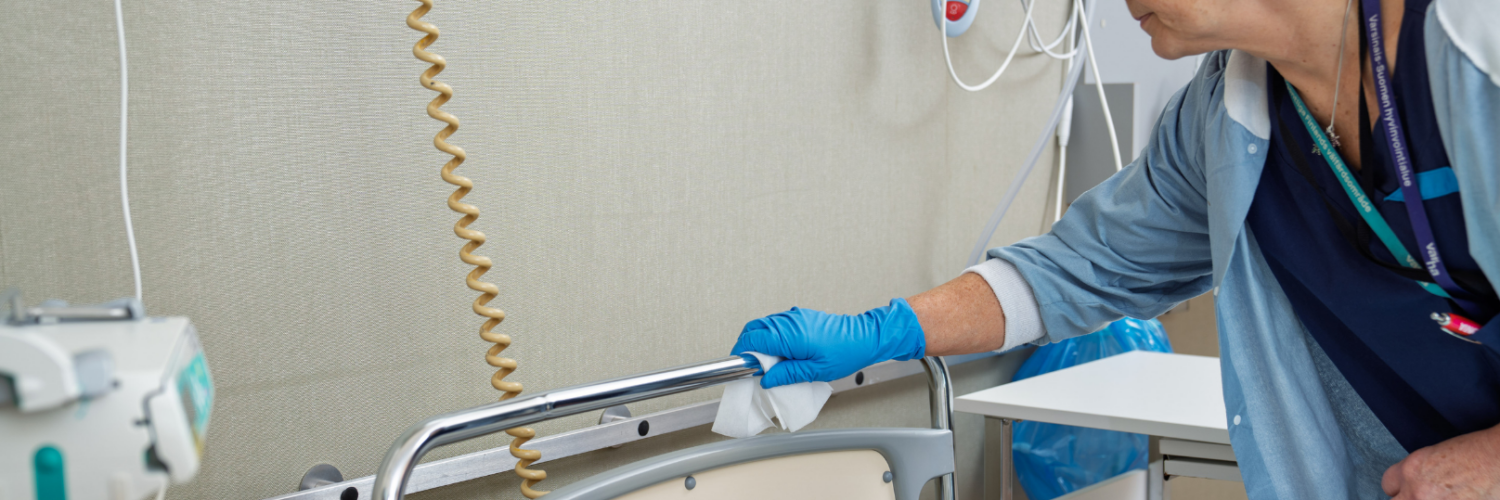
The bacterium spreads mainly through contact points. Spores can be left behind on surfaces like bed rails, toilets, and medical equipment, and they can easily be transferred by hands. If proper hygiene is not followed, the infection can move from one patient to another. This is a major concern in healthcare settings, where many vulnerable people are in close contact.
Across Europe, millions of patients develop healthcare-associated infections each year, leading to tens of thousands of deaths. C. diff is one of the most common causes of these infections and contributes significantly to the increased costs due to prolonged hospital stays, increased treatment costs and recurrent infections. Even though only a portion of cases are directly linked to transmission between patients, this still represents a preventable risk.
What can be done to prevent it?
The good news is that effective prevention measures exist.
- Careful use of antibiotics is important to reduce the risk of infection in the first place.
- Proper hand hygiene is essential. Washing hands thoroughly with soap and water is more effective against C. diff spores than alcohol-based disinfectants.
- Hospitals must have good routines for environmental hygiene and use surface disinfectants that are specifically designed to kill spores, especially on patient near contact points.
In summary, C. diff is a persistent and serious threat in healthcare environments due to its ability to survive, spread easily, and cause severe illness. However, with strict hygiene practices and proper infection control, much of this risk can be reduced.
You might also be interested in:
¹The Global Burden of Clostridioides difficile Infections, 2016-2024: A Systematic Review and Meta-Analysis https://pubmed.ncbi.nlm.nih.gov/40277958/