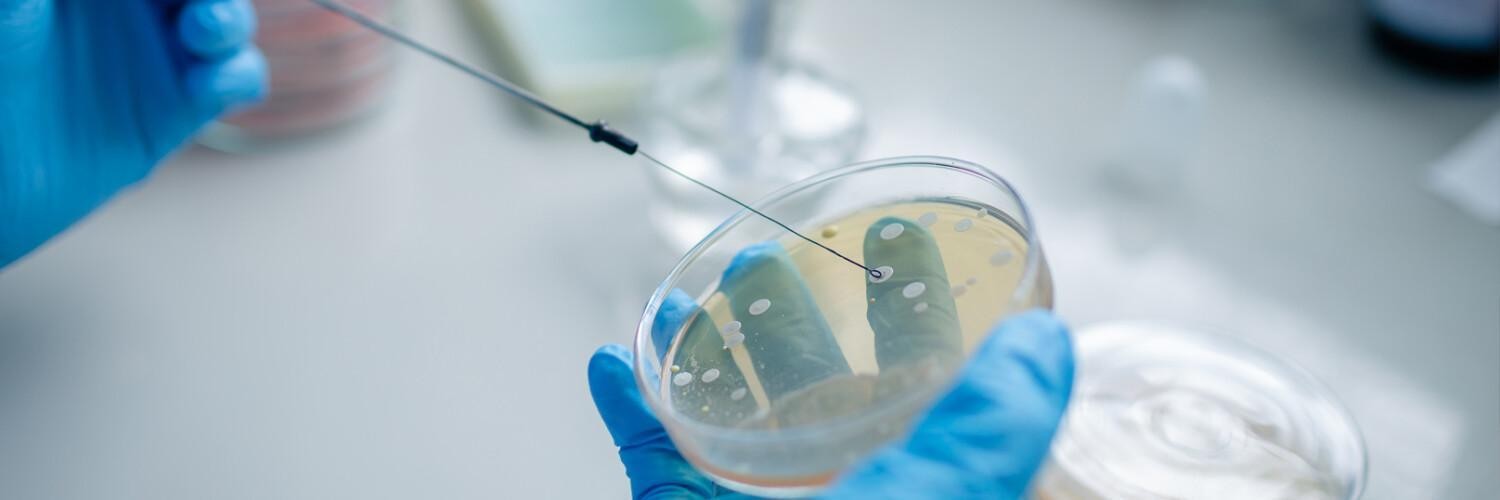
Foodborne pathogens are microorganisms that can cause illness through contaminated food or drink. Because they are often invisible, effective hygiene practices, temperature control and cross-contamination prevention are essential. Contamination can occur at any stage of the food chain, but foodservice operators play a critical role in preventing harmful microorganisms from reaching customers.
Foodborne pathogens can be bacteria, viruses or parasites. They may enter food through contaminated raw materials, poor personal hygiene, inadequate cleaning, unsafe storage conditions or improper cooking. Some pathogens can survive on surfaces for extended periods, while others can multiply rapidly when food is held at unsafe temperatures.
The consequences of foodborne illness can range from mild gastrointestinal symptoms to severe disease requiring hospitalisation. For foodservice businesses, outbreaks can also lead to reputational damage, lost customers and regulatory action. Maintaining high hygiene standards is therefore not only a food safety requirement but also an important part of protecting customer trust.
Many foodborne illnesses can be prevented through consistent hygiene practices, including proper hand hygiene, effective cleaning and disinfection, separation of raw and ready-to-eat foods, correct cooking temperatures and regular staff training. Clear routines and a shared understanding of food safety responsibilities help reduce the risk of contamination in everyday operations.
Most common causes of foodborne illness
While many pathogens exist, a relatively small number are responsible for most foodborne illnesses. Understanding these common pathogens helps foodservice professionals identify risks and prevent outbreaks.
The following five pathogens are among the most common causes of foodborne illness:
Salmonella
E. coli
Norovirus
Listeria Monocytogenes
Campylobacter
Food safety is built on everyday actions. Food hygiene covers all practices that help ensure food is safe to prepare, serve and consume. It includes the hygienic handling of ingredients, kitchen hygiene, personal hygiene and environmental hygiene. Together, these areas form the foundation of effective food safety management.
Managing risks associated with foodborne pathogens requires more than the right products alone. To support food service operators to work with hygiene in a structured way, we have created Kiilto Eat Safe®. Kiilto Eat Safe® is a complete hygiene program that brings products, routines, and training together into one simple way of working. It helps you keep food safety and compliance under control every day – even with staff turnover and time pressure. With Kiilto Eat Safe®, hygiene becomes one less thing to worry about.